The deafening roar of planes, the blinding flash of explosions, and the heart-wrenching stories of ordinary people caught in extraordinary circumstances — films about Pearl Harbor have burned themselves into the American consciousness, profoundly shaping The Cultural Impact and Legacy of Pearl Harbor Films. More than mere entertainment, these cinematic interpretations have become central to how generations understand a pivotal moment in history, a "day of infamy" that thrust the United States into World War II.
Yet, like any historical dramatization, these films, particularly the ambitious 2001 blockbuster Pearl Harbor, come with a complex legacy. They illuminate, they inspire, but they also simplify, romanticize, and sometimes even distort, leaving us to navigate the delicate balance between historical fact and Hollywood narrative.
At a Glance: Key Takeaways from Pearl Harbor Films
- Powerful Memory Keepers: Films like Pearl Harbor (2001) and Tora! Tora! Tora! (1970) serve as dominant cultural touchstones for remembering the attack.
- Mixed Historical Accuracy: While sparking interest, many films take creative liberties, prioritizing drama over absolute factual fidelity.
- Emotional Connection: Cinematic portrayals forge a strong emotional link for viewers, making abstract history feel personal and immediate.
- Debate Catalysts: These films often ignite discussions about the role of Hollywood in interpreting history, prompting viewers to seek out original sources.
- Influencing Public Perception: Their widespread reach means they significantly impact how the broader public understands the event and its ramifications.
- Beyond the Screen: They encourage visits to the Pearl Harbor National Memorial and remembrance on December 7.
Setting the Scene: Pearl Harbor's Enduring Scar on the American Psyche
December 7, 1941. Just before 8:00 AM, a surprise aerial attack by the Imperial Japanese Navy struck the U.S. naval base at Pearl Harbor, Hawaii. In a matter of hours, more than 2,400 Americans were killed, nearly 1,200 wounded, and numerous battleships and aircraft were destroyed or severely damaged. President Franklin D. Roosevelt famously declared it "a date which will live in infamy," a day that immediately catalyzed America's entry into World War II.
This wasn't just a military defeat; it was a national trauma, a brutal awakening that shattered a sense of invulnerability and galvanized a nation. For decades, the memory of Pearl Harbor has been a touchstone for American patriotism, sacrifice, and resilience. It's why December 7 remains a national day of remembrance, and why the harbor itself stands as a national historic landmark, a solemn site for reflection and education. But how has this profound event been translated through the unforgiving, yet captivating, lens of cinema?
Hollywood's Lens: Dramatizing a National Tragedy
From the immediate aftermath of the attack to modern-day blockbusters, filmmakers have repeatedly returned to Pearl Harbor, each attempting to capture its scale and significance in their own way. These Pearl Harbor movies often seek to do more than just recount events; they aim to evoke the emotions, the terror, and the sheer audacity of the attack, making history resonate with contemporary audiences.
Tora! Tora! Tora! (1970): Accuracy Over Aspiration
Decades before CGI made cinematic destruction effortless, 20th Century Fox produced Tora! Tora! Tora!, a meticulously researched and executed film depicting the attack from both American and Japanese perspectives. The title itself, the Japanese code word for a successful surprise attack, hints at its commitment to detail.
What truly set Tora! Tora! Tora! apart was its uncompromising focus on historical accuracy. The filmmakers rebuilt ships, used actual vintage aircraft, and painstakingly recreated the timeline of events. There was no overarching romantic subplot, no contrived heroics for the sake of Hollywood drama. Instead, it was a procedural, almost documentary-like portrayal of operational blunders, intelligence failures, and strategic decisions that led to the devastating attack. Critics lauded its fidelity, even if some found its lack of a central narrative or emotional arc less engaging for a broad audience. It remains, for many historians, the gold standard for cinematic realism regarding Pearl Harbor.
Pearl Harbor (2001): Blockbuster Ambition Meets Critical Scrutiny
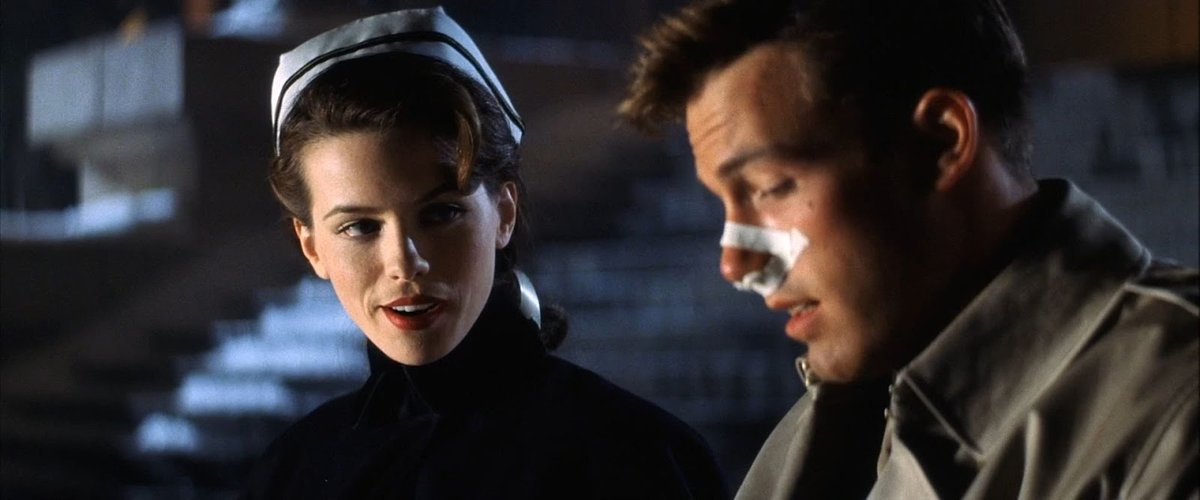
Thirty-one years later, director Michael Bay—known for his bombastic style and penchant for explosions—took on the colossal task of bringing Pearl Harbor to a new generation. His 2001 film, simply titled Pearl Harbor, arrived with immense anticipation, starring A-listers Ben Affleck, Josh Hartnett, and Kate Beckinsale.
Bay's vision was unmistakable: to deliver a visually spectacular, emotionally charged, and undeniably epic experience. The film opens with a sweeping romantic storyline involving two childhood friends, Rafe McCawley (Affleck) and Danny Walker (Hartnett), who are both U.S. Army Air Corps pilots, and Evelyn Johnson (Beckinsale), a nurse. Their love triangle unfolds against the backdrop of rising global tensions, culminating in the devastating December 7 attack.
The film spares no expense in dramatizing the attack itself. With groundbreaking visual effects for its time, Bay recreated the chaos with stunning, visceral impact. Planes dive, bombs explode, ships capsize, and the screen is filled with a terrifying ballet of destruction. The sheer scale and realism of these sequences were widely praised, setting a new benchmark for cinematic warfare.
However, the film's critical reception was famously mixed. While it grossed over $450 million worldwide, becoming a certified blockbuster, critics lambasted its historical inaccuracies, anachronistic details (such as Japanese carrier technology or aircraft depictions), and what many perceived as an overly melodramatic and cliché-ridden romantic subplot that overshadowed the gravity of the historical event. It faced accusations of prioritizing entertainment over education, or worse, distorting history for dramatic effect. Despite its flaws, it undeniably achieved its goal of bringing the Pearl Harbor story to a vast, global audience.
Shaping Collective Memory: How Films Influence What We Remember
The sheer reach and emotional power of cinema mean that films about Pearl Harbor like Bay's have an unparalleled ability to shape collective memory. For many, these movies are the primary source of information, forming vivid, often indelible, mental images of the event.
The Power of Visual Storytelling
Film translates abstract historical facts into concrete, sensory experiences. You don't just read about bombs dropping; you see the bombs fall, hear the explosions, and feel the terror on the faces of the actors. This immediacy creates a powerful emotional connection that can resonate far more deeply than textbook accounts. It personalizes the tragedy, allowing viewers to vicariously experience a fragment of what it might have been like.
Emotional Connection vs. Factual Recall
While powerful, this emotional connection can sometimes come at the expense of factual accuracy. Filmmakers, driven by the demands of narrative and audience engagement, often condense timelines, invent characters, or simplify complex political realities. The emotional impact of a dramatic love story might lodge in memory more firmly than the geopolitical context or specific military strategies. This isn't inherently bad, but it means viewers absorb an interpretation, not necessarily the definitive account.
Simplification and Archetypes
Hollywood often relies on archetypes: the brave hero, the selfless nurse, the villainous aggressor. While these figures help create compelling stories, they can flatten the complexities of historical figures and motivations. The portrayal of the Japanese in some films, for instance, has been criticized for being one-dimensional or stereotypical, rather than exploring the nuanced historical context of their actions.
Misconceptions and Historical Revisionism
When inaccuracies are woven into popular films, they can easily become accepted "truths." Anachronisms, altered timelines, or even invented events can subtly shift public understanding. The Michael Bay film, for example, faced criticism for exaggerating certain aspects or for implying a level of foresight or heroic action that wasn't historically documented, potentially leading viewers to believe these narrative embellishments were factual.
The Double-Edged Sword of Hollywood History
The legacy of films like Pearl Harbor is undeniably complex, a testament to Hollywood's unique position in bridging history and entertainment.
Benefits: Sparking Interest and Humanizing History
- Entry Point to History: For many young viewers, a film like Pearl Harbor (2001) serves as their very first exposure to the event. Its thrilling action and dramatic narrative can spark curiosity, prompting them to delve deeper into World War II history. It's often the cinematic spectacle that first grabs attention, leading to subsequent research or educational discussions.
- Humanizing the Past: By focusing on individual stories—even fictionalized ones—films put a human face on historical events. They remind us that history is made up of real people with emotions, fears, and hopes, making it more relatable and less abstract.
- Commemoration and Remembrance: These films ensure that pivotal events like Pearl Harbor are not forgotten. They keep the memory alive, especially for generations far removed from the actual experience, reinforcing the importance of national remembrance on December 7.
Pitfalls: Historical Inaccuracies and Over-Dramatization
- Sacrificing Accuracy for Drama: This is the most common critique. Hollywood's primary goal is to entertain, and historical accuracy often takes a backseat to compelling storytelling. Details are changed, characters are invented, and events are sensationalized. While Bay's Pearl Harbor was praised for its visual effects, many historians decried its factual liberties, from timeline compressions to anachronistic military hardware.
- Over-Reliance on Melodrama: The infamous love triangle in the 2001 film is a prime example. While romance can add a human element, critics argued it trivialized the true horror and gravity of the attack, making it a backdrop for a soap opera rather than a profound historical narrative.
- Perpetuating Stereotypes: Historical films, especially those from earlier eras, can sometimes reinforce nationalistic biases or stereotypical depictions of adversaries, rather than fostering a nuanced understanding of international conflict.
- Distraction from Geopolitics: When the focus shifts too heavily to individual heroics or romantic subplots, the broader political and strategic complexities that led to an event like Pearl Harbor can be overlooked, providing an incomplete historical picture.
Beyond the Screen: Pearl Harbor's Real-World Legacy
The cinematic portrayals of Pearl Harbor, for all their dramatic flourishes, invariably draw attention back to the enduring significance of the actual event and its physical legacy. The films reinforce the importance of the national day of remembrance on December 7, a day when the nation pauses to honor those who perished and reflect on the sacrifices made.
Furthermore, these movies, particularly the widely distributed 2001 film, have undoubtedly driven tourism and interest in the Pearl Harbor National Memorial in Hawaii. Visitors come seeking to connect with the history they've seen on screen, to walk the grounds, and to stand in silent reflection at the USS Arizona Memorial, which rests above the sunken battleship. For many, the film acts as a vivid prelude to the solemn reality of the memorial, making the historical site even more impactful. The experience of visiting the memorial often provides a stark contrast to the cinematic interpretation, offering a deeper, more profound sense of the tragedy.
Navigating Historical Films: A Viewer's Guide
Given the powerful yet sometimes problematic influence of historical films, how should you approach them as a viewer? It’s about becoming a critical consumer of cinematic history.
How to Approach Films Like Pearl Harbor
Think of historical films as a starting point, not the final word. They offer an accessible entry into a historical period, presenting a dramatized interpretation that can spark curiosity. Don't assume everything depicted on screen is 100% accurate. Instead, enjoy the narrative, appreciate the craft, and let it inspire you to dig deeper. Recognize that a director's vision, artistic license, and the need for a compelling story will always influence the portrayal.
Fact-Checking and Critical Thinking
After watching a powerful film about a historical event, challenge yourself to verify what you've seen. Ask questions:
- What elements felt particularly real, and which felt dramatized?
- Are there specific details or plot points that warrant further investigation?
- What were the filmmakers' likely intentions in telling this story this way?
Use the film as a springboard. Check out reputable historical sources, academic texts, documentaries, or primary accounts. Contrast what the movie showed with established historical facts. For instance, after watching one of the many movies about Pearl Harbor, you might seek out historical documents or survivor testimonies to gain a more complete picture.
Seeking Diverse Perspectives
No single film can capture the entirety of a historical event, especially one as complex as Pearl Harbor. Seek out different interpretations. Watch Tora! Tora! Tora! to see a different approach to the same event, or explore documentaries that focus purely on archival footage and expert analysis. Read books by different historians. Understanding varying viewpoints helps you construct a more nuanced and robust understanding of the past.
Using Film as a Springboard, Not a Sole Source
Ultimately, the best way to engage with historical films is to use them as an invitation to learn more. They are powerful tools for imagination and empathy, allowing us to connect with history on an emotional level. However, they should never be the sole source of our historical knowledge. Think of them as compelling storytellers who ignite your interest, encouraging you to then seek out the meticulous research and rigorous analysis that true historical scholarship provides.
Making Sense of Cinematic History: Your Role as a Critical Viewer
The cultural impact and legacy of Pearl Harbor films are undeniable. They have imprinted indelible images of tragedy, heroism, and the crucible of war onto the American consciousness. From the painstaking accuracy of Tora! Tora! Tora! to the epic romance and explosive action of Michael Bay's Pearl Harbor, these films serve as powerful, if sometimes imperfect, custodians of memory.
They remind us that history isn't static; it's a living narrative continually reinterpreted and retold. As viewers, our role is crucial. It's not just about passively consuming these stories but actively engaging with them, appreciating their artistic merit while critically evaluating their historical claims. By doing so, we ensure that the lessons of Pearl Harbor—its solemnity, its human cost, and its profound impact on the nation—are preserved, understood, and never truly forgotten, moving beyond mere spectacle to a deeper, more informed remembrance. So next time you watch a historical film, let it entertain, let it move you, but most importantly, let it inspire you to ask more questions and embark on your own journey of historical discovery.