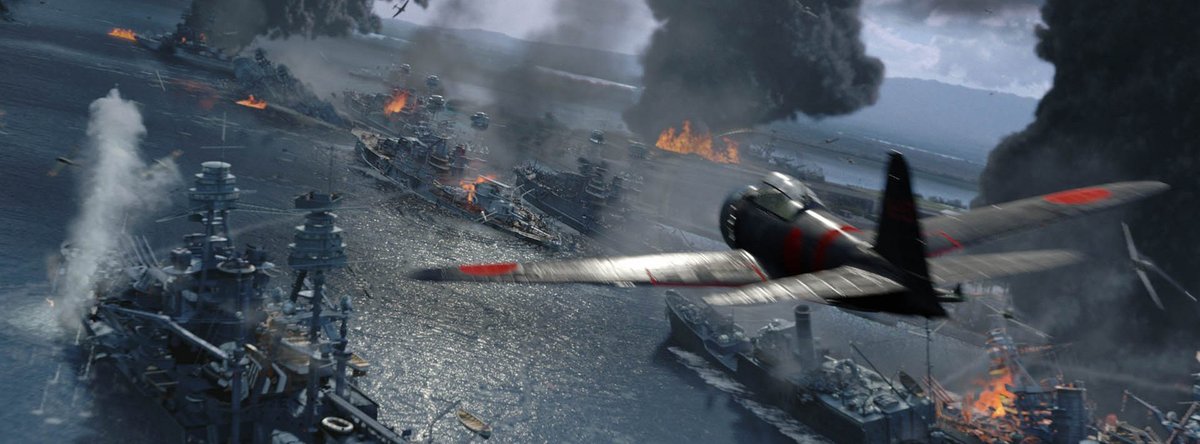
The attack on Pearl Harbor on December 7, 1941, remains one of the most pivotal and tragic events in American history, irrevocably drawing the United States into World War II. Its dramatic scale, human stories, and profound impact have made it a compelling subject for filmmakers for decades. These movies do more than just depict history; they explore the courage, sacrifice, and complex decisions made during a moment that forever altered the global landscape.
From sweeping epics to intimate dramas, films about Pearl Harbor invite us to witness the human experience amidst unimaginable conflict. They offer a unique lens through which to understand not only the events themselves but also the cultural and emotional legacy they left behind. Diving into these cinematic interpretations can deepen your appreciation for the historical moment and the art of storytelling.
Re-experiencing the Epic: The 2001 Blockbuster and Beyond
When most people think of "Pearl Harbor movies," Michael Bay's 2001 epic often comes to mind. This blockbuster brought the attack to a new generation with breathtaking visuals and a star-studded cast, aiming to convey the sheer scale and terror of that infamous day. It’s a film that sparked considerable discussion, both for its ambition and its dramatic liberties.
If you're curious about the blockbuster, our detailed Pearl Harbor (2001) Movie Guide offers an in-depth look at its production, impact, and the performances that defined it. However, the 2001 film is just one piece of a much larger cinematic tapestry. Many other directors have tackled this monumental event, each bringing a unique perspective and narrative focus to the forefront.
Exploring Diverse Perspectives: Other Cinematic Takes on the Attack
While the 2001 film is widely recognized, numerous other productions have explored the attack on Pearl Harbor, some predating it by decades. These range from classic war dramas focusing on military strategy and personal heroism to more understated narratives that delve into the lives of those directly affected. Films like Tora! Tora! Tora! (1970) stand out for their painstaking efforts to depict the event with dual American and Japanese perspectives, offering a comprehensive view.
These alternative cinematic depictions often provide different insights, perhaps focusing more on the strategic build-up, the immediate aftermath, or the personal stories of resilience. To discover these other powerful films that chronicle the pivotal attack, explore our guide on Beyond the 2001 Pearl Harbor film. Each offers a valuable contribution to understanding the event through various narrative lenses.
Fact vs. Fiction: Scrutinizing Historical Accuracy in Film
A persistent question surrounding any historical drama, especially one as sensitive as Pearl Harbor, is its fidelity to facts. Filmmakers often walk a tightrope between historical accuracy and dramatic license, aiming to tell a compelling story while honoring the truth of the past. This balance can lead to significant debate, particularly when events are altered or characters are fictionalized for narrative impact.
Understanding where a film adheres to history and where it diverges is crucial for viewers seeking both entertainment and enlightenment. If you're keen to separate fact from cinematic flourish and understand the debates around these portrayals, our analysis Is Pearl Harbor film accurate provides a detailed breakdown of historical authenticity in these gripping narratives.
Unpacking the Story: Themes and Narratives That Resonate
Beyond the explosions and tactical maneuvers, Pearl Harbor movies often delve into powerful human themes: patriotism, love, loss, duty, and the sudden, brutal disruption of ordinary lives. They explore the psychological impact of war, the courage of everyday individuals, and the leadership challenges faced during unprecedented times. These films serve as powerful reminders of the human cost of conflict and the indomitable spirit of survival.
Filmmakers use various storytelling techniques to convey these themes, from intimate character arcs to grand, sweeping spectacles. If you want to dive deeper into how these powerful stories are constructed and what messages they convey, you'll find an insightful exploration in our guide to Understand Pearl Harbor movie narratives. This will help you appreciate the deeper layers within these cinematic works.
The Unforgettable Frames: Iconic Moments from Pearl Harbor Films
Certain scenes from Pearl Harbor movies are etched into our collective memory, capturing the terror, heroism, and emotional intensity of the attack. Whether it's the sudden, deafening sound of bombs dropping, the harrowing scramble for survival, or a poignant moment of farewell, these iconic sequences define the cinematic legacy of the event. They are moments designed to stir emotions and leave a lasting impression on the audience.
From stunning visual effects depicting the chaos of the aerial assault to heartbreaking personal interactions, these scenes are often what viewers remember most vividly. To relive some of the most impactful and visually striking sequences from various films, be sure to check out our deep dive into the Best Pearl Harbor movie moments Iconic.
Continuing the Conversation
The cinematic legacy of Pearl Harbor offers a powerful bridge to understanding a pivotal moment in history. Each film, in its own way, contributes to our ongoing conversation about memory, sacrifice, and the enduring impact of war. As you explore these movies, you're not just watching history unfold; you're engaging with different interpretations, sparking new questions, and ensuring that the lessons of December 7, 1941, are never forgotten.