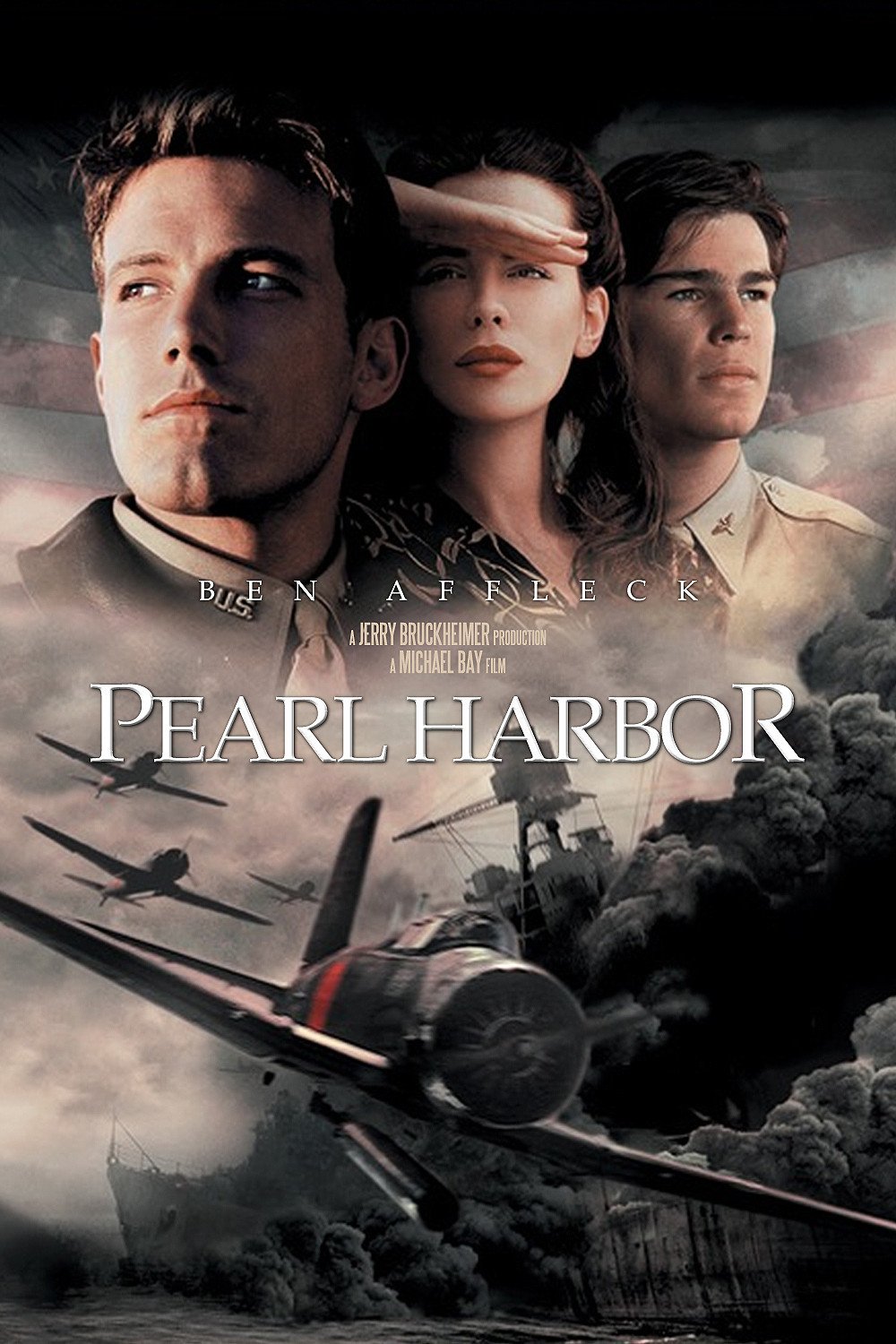
When you think of "Pearl Harbor" the event, images of devastating aerial attacks and a nation jolted awake probably come to mind. When you think of "Pearl Harbor" the 2001 movie, however, you're likely recalling a different kind of explosion: a blockbuster spectacle entwined with an epic, often-debated, love story. This Pearl Harbor (2001) Movie Guide & Analysis dives deep into Michael Bay's ambitious portrayal, dissecting its narrative, its historical liberties, and its lasting impact on audiences and critics alike.
Released to immense fanfare and considerable controversy, Pearl Harbor aimed to capture the unimaginable scale of the 1941 attack while centering on the intertwined lives of two best friends and a courageous nurse. It’s a film that demands discussion, whether you loved it, loathed it, or simply found yourself caught in its emotional undertow.
At a Glance: Navigating the Epic "Pearl Harbor" (2001)
- What it is: A sprawling historical drama by Michael Bay, focusing on the surprise attack on Pearl Harbor and the subsequent Doolittle Raid.
- The Core Story: A love triangle between two childhood friends, Rafe McCawley and Danny Walker, both fighter pilots, and Navy nurse Evelyn Johnson, set against the backdrop of World War II.
- Key Moments: Rafe's presumed death in Europe, the developing romance between Danny and Evelyn, Rafe's unexpected return, the devastating attack on Pearl Harbor, and the retaliatory Doolittle Raid.
- Historical Accuracy: A point of contention. The film excels in visual spectacle and some details of the attack and Doolittle Raid, but takes significant liberties with character timelines and romanticized plot points.
- Why watch it: For its epic scale, stunning visual effects, and a glimpse into the emotional turmoil of a nation at war.
- Why analyze it: To understand the balance between historical event and cinematic narrative, and to explore the film's artistic and commercial choices.
More Than Just a Love Triangle: The Film's Premise
At its heart, Pearl Harbor (2001) is a story about loyalty, love, and the devastating impact of war, told through the experiences of a few key individuals. The film begins not in the chaos of battle, but in the idyllic fields of 1923 Tennessee, where young Rafe McCawley and Danny Walker forge an unbreakable bond, dreaming of soaring through the skies as fighter pilots. This foundational friendship serves as the emotional anchor for the decades that follow.
Fast forward to 1940, and those dreams have become reality. Rafe and Danny are now First Lieutenants in the U.S. Army Air Corps, under the watchful eye of the legendary Major Jimmy Doolittle. It’s here, amidst the rumblings of global conflict, that Rafe volunteers for the perilous fight against the Germans in Europe. Before his departure to join the Eagle Squadron in England, he meets and falls deeply in love with Evelyn Johnson, a Navy nurse. Their connection is immediate and passionate, sealed with a promise of his return.
As Rafe heads into the European theater, Evelyn and Danny find themselves assigned to the tranquil, yet increasingly tense, shores of Pearl Harbor. Their shared concern for Rafe, coupled with the escalating global anxieties, draws them closer. Then, the news arrives: Rafe’s plane has been shot down over the English Channel, and he is presumed dead. In their grief, Evelyn and Danny find solace and, inevitably, love in each other’s arms.
The fragile peace of their new relationship, and indeed, the entire Pacific, shatters on December 6, 1941. Rafe, against all odds, unexpectedly returns. He discovers Evelyn with Danny, leading to a raw, painful confrontation that mirrors the impending geopolitical storm. The very next morning, on December 7, 1941, the world as they knew it collapses under the brutal surprise attack by Japanese forces on Pearl Harbor. Rafe and Danny, amidst the chaos, instinctively jump into action, engaging in desperate aerial combat against the enemy, forever changing their lives and the course of American history.
The Story Unfolds: A Plot Summary with Critical Lenses
While the central love story often draws the most attention, the film skillfully (or perhaps heavy-handedly, depending on your view) interweaves these personal dramas with the grand sweep of history.
Childhood Dreams & Early Assignments
The film opens with a nostalgic glimpse into the formative years of Rafe and Danny. This segment establishes their deep brotherhood and shared ambition, crucial for understanding their later conflicts. Michael Bay uses these early scenes to romanticize the pre-war American spirit, often employing sepia tones and sweeping cinematic shots to evoke a sense of bygone innocence. This romanticism is a hallmark of the film, setting a tone that sometimes prioritizes emotional impact over gritty realism.
The European Front & a Budding Romance
Rafe's decision to volunteer for the Eagle Squadron highlights his impulsive, heroic nature. His quick, intense romance with Evelyn, set against the backdrop of war, is designed to be deeply emotional and high-stakes. Their brief time together is charged with the knowledge that he might not return, making their connection feel both urgent and destined. This narrative choice ensures the audience invests in the core romantic conflict before the real historical devastation begins.
Tragedy, Solace, and an Unexpected Return
Rafe's presumed death is the fulcrum of the love triangle. Evelyn and Danny's shared grief leading to their romance is presented as a natural, if complicated, human response to trauma. This development is arguably the most controversial aspect of the film’s narrative, as it forces viewers to weigh loyalty against comfort and the unpredictable nature of the heart. Rafe’s return, perfectly timed to create maximum dramatic tension on the eve of the attack, further amplifies this personal conflict.
December 7, 1941: The Attack and Its Immediate Aftermath
This is where the film truly earns its blockbuster status. The portrayal of the Pearl Harbor attack is visceral, terrifying, and remarkably detailed in its visual effects. Bay spares no expense in depicting the chaos, destruction, and human toll. From the perspective of Rafe and Danny scrambling into their P-40s to Evelyn and her fellow nurses battling overwhelming casualties, the film attempts to immerse the audience in the horror. It’s a sequence that, for many, defines the film's success as a historical spectacle, even if the surrounding romantic drama feels out of place. The film notes that over 3,000 American lives were lost, a somber figure that President Franklin D. Roosevelt immortalized by declaring December 7 a 'day of infamy.'
The Doolittle Raid: Retaliation and Sacrifice
Following the attack, the film pivots to the American spirit of retaliation. Rafe and Danny, decorated with the Silver Star for their bravery at Pearl Harbor, are recruited for the top-secret Doolittle Raid. This mission, a daring air strike on mainland Japan, serves as a testament to American resilience and a narrative vehicle for the resolution of the love triangle. Before their departure, Evelyn reveals her pregnancy with Danny’s child to Rafe, adding another layer of emotional complexity to the impending mission.
During the perilous bombing run over Japan, Rafe and Danny's planes crash-land in China. In a climactic act of self-sacrifice, Danny gives his life to save Rafe, entrusting him with the care of his unborn child. This dramatic turning point provides a "heroic" resolution to the love triangle, freeing Evelyn and Rafe to be together while cementing Danny's place as a selfless figure.
A New Beginning: Life After the War
The film concludes years later, with Rafe and Evelyn raising Danny's son. Rafe, true to his nature, continues to fly, embodying a spirit of enduring heroism and carrying on the legacy of his best friend. This ending aims for a sense of poignant closure, suggesting that life, and love, can persist even after profound loss.
Fact vs. Fiction: Navigating Historical Accuracy
Perhaps no aspect of Pearl Harbor (2001) generated more debate than its historical accuracy. While praised for its visual spectacle, the film often drew fire for its liberal interpretation of facts. Understanding where the film deviates from history is crucial for a complete analysis.
The Good: Cinematic Achievements in Historical Portrayal
- The Attack Sequence: Visually, the film's depiction of the Pearl Harbor attack is breathtaking and remains a benchmark for cinematic spectacle. It meticulously recreates the chaos, scale, and destruction, providing a visceral, albeit sanitized, sense of what the attack felt like. The types of planes, the destruction of the battleships, and the sheer number of casualties are conveyed with powerful imagery.
- The Doolittle Raid: The film generally captures the daring spirit and logistical challenges of the Doolittle Raid, including the use of B-25 bombers launched from aircraft carriers. Major Jimmy Doolittle himself is portrayed with a degree of accuracy, showcasing his leadership and strategic thinking.
- Uniforms and Set Pieces: Much attention was paid to the historical authenticity of uniforms, aircraft, and ship designs, lending credibility to the film's visual fabric.
The Bad & The Debatable: Where Hollywood Took Liberties
- The Love Triangle: This is the most significant departure. There is no historical basis for the specific Rafe-Evelyn-Danny love triangle. While personal stories of love and loss are inherent to war, fabricating such a central, complex romance that directly impacts major historical figures (even indirectly) is a classic Hollywood trope for dramatic effect, but not historical accuracy.
- Character Timelines and Deeds: Rafe and Danny, while composites of real pilots, are given heroic actions at Pearl Harbor that blend fact with fiction. For instance, while some American pilots did get airborne and engage the Japanese, their specific, sustained dogfights as depicted are highly dramatized. Similarly, the Doolittle Raid pilots didn't engage in the exact personal battles or sacrifices shown.
- Historical Figures' Portrayals:
- President Franklin D. Roosevelt: His defiant stand from his wheelchair is a powerful cinematic moment but stretches historical accounts of his exact movements and physical capabilities during that specific address.
- Admiral Kimmel and General Short: The commanders at Pearl Harbor were court-martialed and blamed for the lack of readiness. The film largely sidesteps the deeper complexities and controversies surrounding their culpability, portraying them more as victims of circumstance.
- Timeline Compression: The film compresses several real-world events and emotional developments into a much shorter timeframe for dramatic pacing, which can distort the actual slow burn of pre-war tensions and the immediate aftermath of the attack.
- Sentimentality Over Subtlety: Critics often pointed out that the film prioritized emotional manipulation and overt patriotism over nuanced historical exploration. The dialogue and character reactions sometimes feel designed to elicit a specific emotional response rather than reflect genuine human complexity in a crisis.
Why It Matters: The Impact of Historical Revisionism
For many, historical films serve as an introduction to past events. When a film like Pearl Harbor takes significant creative liberties, especially with its central romantic plot, it can blur the lines between what truly happened and what was invented for entertainment. While artistic license is a staple of filmmaking, understanding these distinctions is crucial for viewers seeking an accurate understanding of history. It reminds us to approach all historical dramas with a critical eye, perhaps even prompting further research to uncover the unvarnished truth. For those looking for different perspectives on this pivotal event, a Pearl Harbor movies guide offers a broader overview of cinematic interpretations.
Characters in the Crosshairs: A Deeper Look
The film's strength, or weakness depending on your perspective, lies in its character development, particularly within the central trio.
Rafe McCawley: The Maverick, the Hero, the Lover
Played by Ben Affleck, Rafe is the quintessential maverick. He's impulsive, charming, and fiercely loyal, yet prone to rash decisions. His volunteering for the Eagle Squadron underscores his heroic idealism, but his hot-headedness also leads to conflict, both on the battlefield and in his personal life. He represents a certain brand of American heroism—dashing, brave, but also somewhat flawed. His character arc is largely about reckoning with the consequences of his choices and embracing a more mature form of love and responsibility.
Danny Walker: The Steadfast Friend, the Conflicted Lover
Josh Hartnett portrays Danny as Rafe's quieter, more grounded counterpart. He's equally skilled as a pilot but more reserved and thoughtful. Danny embodies loyalty and sacrifice, initially prioritizing his friendship with Rafe even when his heart pulls him towards Evelyn. His ultimate sacrifice during the Doolittle Raid solidifies his role as a tragic hero, ensuring Rafe and Evelyn's future together while leaving a lasting legacy through his son. He represents the quieter, perhaps more profound, heroism of steadfastness.
Evelyn Johnson: The Nurse, the Woman Caught Between
Kate Beckinsale's Evelyn is the emotional core of the love triangle. As a Navy nurse, she witnesses the raw brutality of war firsthand during the Pearl Harbor attack, displaying courage and resilience under unimaginable pressure. Her character arc is defined by difficult choices: navigating love, loss, and the ethical dilemmas of a woman caught between two best friends. She represents the often-overlooked strength and emotional burden carried by those supporting the war effort on the home front or in the immediate aftermath of battle.
Real-Life Figures: Doolittle, Roosevelt, Kimmel, Short
The film also features portrayals of key historical figures, with varying degrees of success:
- Major Jimmy Doolittle (Alec Baldwin): Portrayed as a shrewd, charismatic leader, Baldwin's performance generally earned praise for capturing Doolittle's gravitas and strategic brilliance in planning the audacious raid.
- President Franklin D. Roosevelt (Jon Voight): Voight's portrayal is memorable for his powerful "Day of Infamy" speech and the defiant scene of him standing from his wheelchair. While historically dramatized, it aimed to capture the essence of Roosevelt's leadership during a critical national moment.
- Admiral Kimmel (Dan Aykroyd) and General Short (Jack McGee): These commanders are shown grappling with intelligence failures and the devastating consequences, but the film doesn't delve deeply into the political fallout or their complex roles in the disaster, choosing instead to focus on the immediate human drama.
The Spectacle of War: Crafting the Cinematic Experience
Michael Bay is synonymous with large-scale action, and Pearl Harbor is arguably his magnum opus in historical spectacle.
The Attack Sequence: VFX, Sound Design, Emotional Impact
The 40-minute Pearl Harbor attack sequence is the undeniable highlight for many viewers. Bay's directorial style—rapid cuts, sweeping camera movements, and epic explosions—is on full display. The visual effects were groundbreaking for their time, creating a truly immersive and terrifying experience of aerial combat and naval destruction. The sound design, with its cacophony of gunfire, explosions, and screams, further amplified the chaos. While criticized for its length and emphasis on spectacle, it undeniably conveys the sheer shock and devastation of that day.
The Doolittle Raid: A Different Kind of Heroism
The Doolittle Raid sequence offers a different kind of intensity. It’s less about overwhelming destruction and more about precision, daring, and the psychological toll of a high-stakes mission. The challenge of launching B-25 bombers from an aircraft carrier is effectively communicated, and the subsequent bombing runs feel tense and purposeful. This segment provides a stark contrast to the initial attack, showcasing American ingenuity and resolve.
Bay's Signature Style: Explosions, Slow-Motion, Sentimentality
Throughout the film, Bay's stylistic fingerprints are unmistakable:
- Explosions: Signature Bay-esque fiery blasts are plentiful and often breathtaking.
- Slow-motion: Used effectively to highlight moments of heroism, emotional impact, or specific actions during combat.
- Sentimentality: The film is drenched in sentiment, particularly in its romantic scenes and moments of patriotic fervor. This can be seen as either genuinely moving or overly manipulative, depending on individual taste.
Themes That Resonate (And Some That Miss)
Beyond the explosions and love story, Pearl Harbor attempts to explore several profound themes.
Brotherhood and Loyalty
The bond between Rafe and Danny is the film's emotional bedrock. Their loyalty to each other is tested by war, love, and ultimately, by sacrifice. This theme speaks to the deep connections forged in military service and the enduring power of friendship.
Love and Sacrifice
The central love triangle explores the complexities of love under extreme duress. It asks difficult questions about where loyalty lies, what constitutes true love, and the ultimate sacrifices people make for those they care about. Danny's final act, in particular, is a powerful statement on sacrificial love.
Patriotism and Retaliation
The film strongly emphasizes American patriotism, particularly in the aftermath of the attack. The shift from shock to a fierce desire for retaliation is a core narrative drive, culminating in the Doolittle Raid. It aims to evoke a sense of national unity and resolve in the face of aggression.
The Human Cost of War
While heavily stylized, the film does portray the immense human suffering caused by the Pearl Harbor attack, particularly through Evelyn's experience in the makeshift hospital. It shows the indiscriminate nature of war and the toll it takes on individuals, families, and a nation. However, some critics argue that the love story often overshadows this theme, diminishing its overall impact.
Critical Reception and Lasting Legacy
Pearl Harbor was a massive commercial success, grossing over $449 million worldwide. However, critical reception was decidedly mixed, often leaning negative.
Box Office Success vs. Critical Scrutiny
Audiences, particularly those drawn to epic historical dramas and action, flocked to theaters. The film's spectacle and emotional sweep resonated with many. Critics, however, were less forgiving.
Common Criticisms
- Pacing and Length: At over three hours, many found the film's pacing uneven, especially the lengthy romantic setup before the attack.
- Script and Dialogue: The screenplay was frequently criticized for being clichéd, overly sentimental, and featuring underdeveloped dialogue.
- Historical Inaccuracies: As discussed, the liberties taken with historical events and characters were a major point of contention.
- Emotional Manipulation: Critics often accused Bay of prioritizing overt emotional appeal and melodramatic tropes over genuine character development and historical insight.
Its Place in War Film Canon
Pearl Harbor holds a unique, if sometimes controversial, place in the war film genre. It's often cited as an example of a film where spectacle trumps substance, or where historical context is sacrificed for romantic drama. Yet, its depiction of the attack itself remains iconic for its visual grandeur. It stands as a testament to the enduring appeal of epic historical narratives, even when they stir considerable debate. Compared to other films on the topic, it certainly stands out for its blockbuster approach – a distinct take from other Pearl Harbor movies guide entries that might favor different angles.
Common Questions & Misconceptions
Let's clear up some common questions and misconceptions about the film:
Was Rafe McCawley a real person?
No. Rafe McCawley, along with Danny Walker and Evelyn Johnson, are fictional characters created for the film. They are composites, loosely inspired by the courage of real pilots and nurses, but their specific backstory and love triangle are entirely Hollywood's invention.
Did a love triangle really happen during Pearl Harbor?
Not the specific one depicted in the movie. While love and relationships undoubtedly thrived amidst the military personnel stationed at Pearl Harbor, the dramatic, intertwining love story between Rafe, Danny, and Evelyn is a fictional device.
How accurate was the Doolittle Raid portrayal?
The film captures the spirit and key elements of the Doolittle Raid relatively well, particularly the daring nature of the mission and the challenges of launching B-25s from an aircraft carrier. However, the specific combat situations and the personal sacrifices of Rafe and Danny are dramatized for cinematic effect.
Why is the film so divisive?
The divisiveness largely stems from its ambitious attempt to blend a grand historical tragedy with a melodramatic love story. Many found the romantic subplot to be distracting, clichéd, and historically insensitive, overshadowing the immense historical significance of the Pearl Harbor attack. Others appreciated the emotional drama and epic scale.
Beyond the Screen: What "Pearl Harbor" Left Us With
Love it or leave it, Pearl Harbor (2001) is a cinematic experience that's hard to ignore. It serves as a powerful reminder of a pivotal moment in American history, even if its narrative approach sparks lively debate. As viewers, understanding the difference between historical depiction and dramatic license empowers us to engage with films like this more critically.
Whether you're drawn to the visceral action sequences, the sweeping romance, or the sheer scale of the production, the film encourages us to reflect on themes of patriotism, sacrifice, and the enduring human spirit in the face of unimaginable tragedy. It’s a call to remember the "day of infamy" not just as a historical fact, but as a deeply human story, urging us to explore further and distinguish between Hollywood's spectacle and the invaluable lessons of history itself.